2nd Wednesday Educational Series
Cutting-Edge Translational Research in Depression
Date: Wednesday, February 11, 2026
7:30 – 8:30 pm EDT
Location: Virtual - Horizon Virtual Venue Platform & Zoom
Program Learning Objectives – At the conclusion of this activity participants will be able to:
-
Describe the benefits/disadvantages of using iPSC-based modeling in comparison to animal models and clinical trials.
- Identify the generation and cellular composition of cerebral organoids.
- Express certain transcriptomic and proteomic differences between healthy volunteer and treatment-resistant depression cerebral organoids.
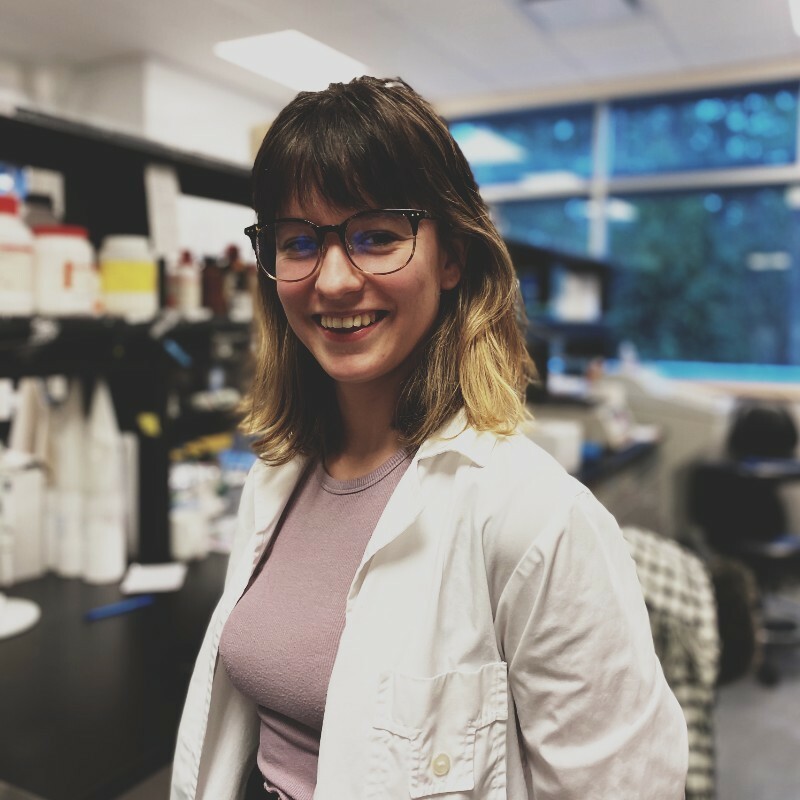 Presenter: Jenessa Johnson, PhD
Jenessa Johnston, PhD is a post-doctoral fellow within the Experimental Therapeutics and Pathophysiology Branch (ETPB) of the National Institute of Mental Health (NIMH). Her interests lie in improving in vitro and in vivo experiments to support antidepressant drug discovery. During her PhD at the University of Victoria in Canada, her research elucidated the molecular mechanisms of reelin, a naturally occurring glycoprotein important for cortical development, as a potential rapid-acting antidepressant. Additionally, she developed a novel method to assess the responsiveness of isolated synapses in vitro to various putative antidepressants. As a previous pre-doctoral fellow and current postdoctoral researcher within the ETPB, she is characterizing a novel in vitro model of depression using inducible pluripotent stem cell (iPSC)-derived neurons and cerebral organoids from patients with treatment-resistant depression (TRD). Her initial research has identified time-dependent and overlapping mechanisms of putative rapid-acting antidepressants, including a major ketamine metabolite and serotonergic psychedelics.
Accreditation and Designation Statement
In support of improving patient care, this activity has been planned and implemented by American Psychiatric Association (APA) and Washington Psychiatric Society. The American Psychiatric Association (APA) is jointly accredited by the Accreditation Council for Continuing Medical Education (ACCME), the Accreditation Council for Pharmacy Education (ACPE), and the American Nurses Credentialing Center (ANCC), to provide continuing education for the healthcare team.
The American Psychiatric Association (APA) designates this live activity for a maximum of 1.0 AMA PRA Category 1 Credit™. Physicians should claim only credit commensurate with the extent of their participation in the activity.